Free USPS Ground Shipping on Orders of $75+ After Discounts
Use this bar to show information about your cookie policy.
Speckled Trout
101 products
Showing 97 - 101 of 101 products
The short answer: fish shrimp and small baitfish patterns weightless-to-lightly-weighted for grass flats and marsh, drop to bead-chain or small dumbbells for oyster reefs and channels. Topwater at dawn and dusk. Color runs a distant third to profile and sink rate.
Speckled trout flies by situation
Grass flats and skinny water (0-3 ft)
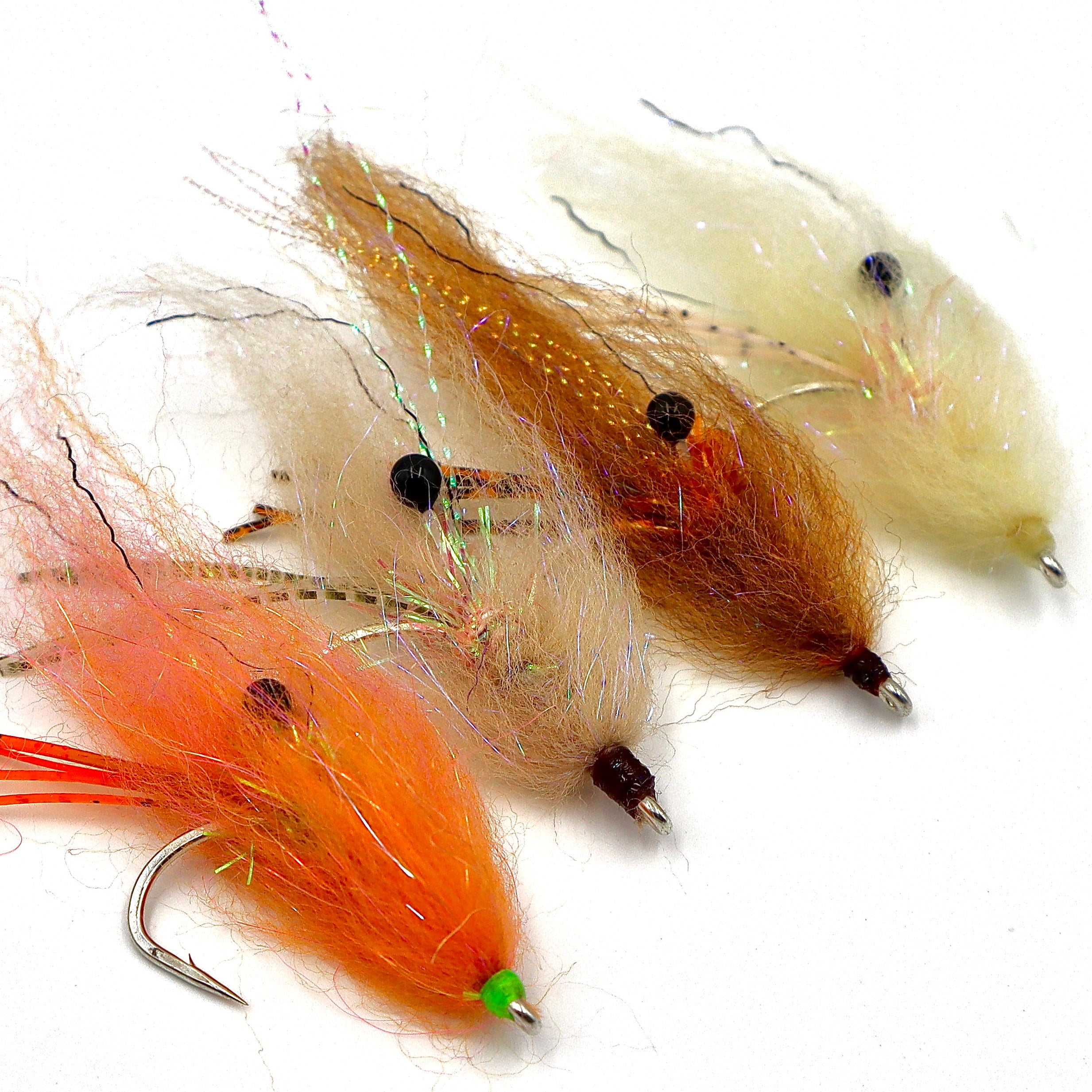
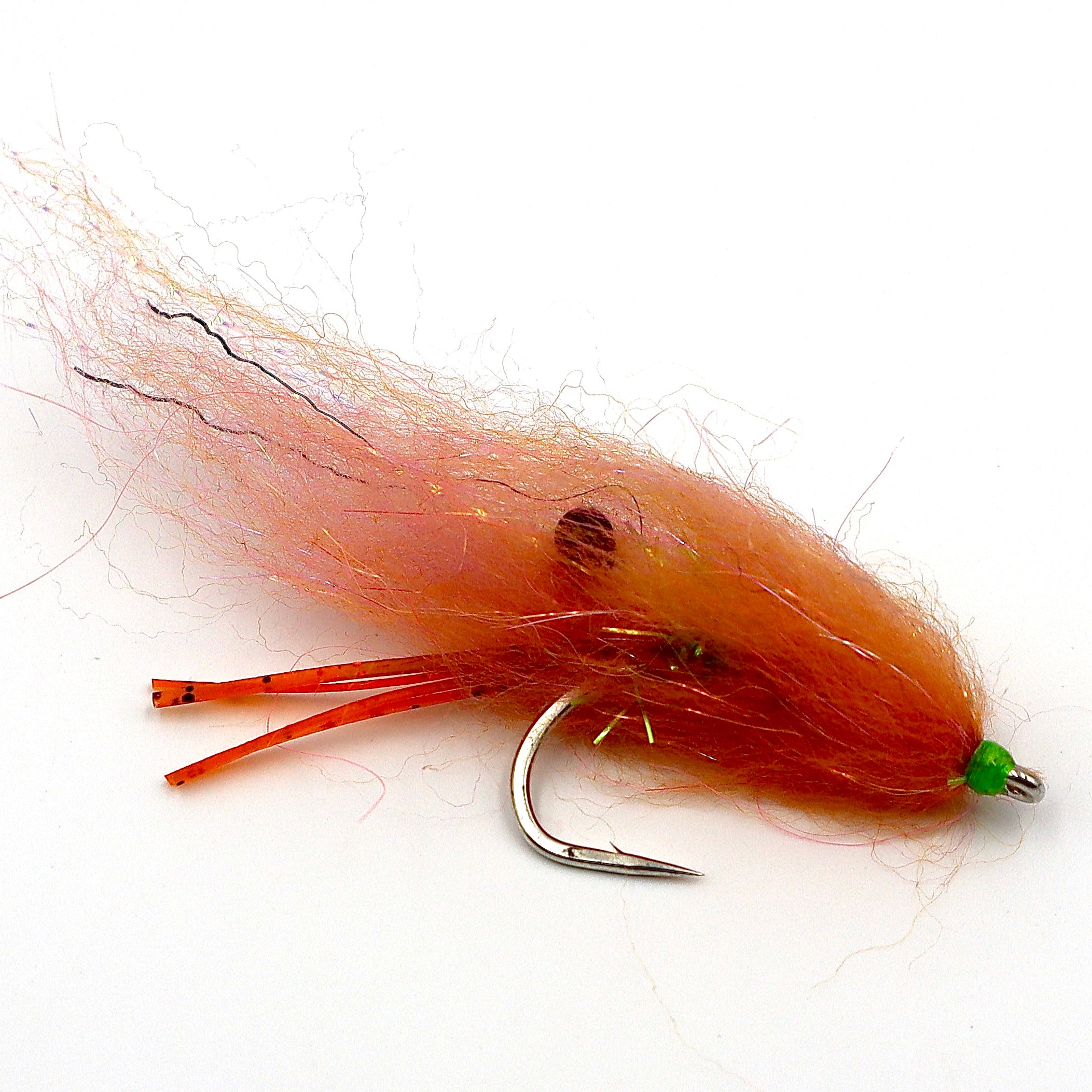
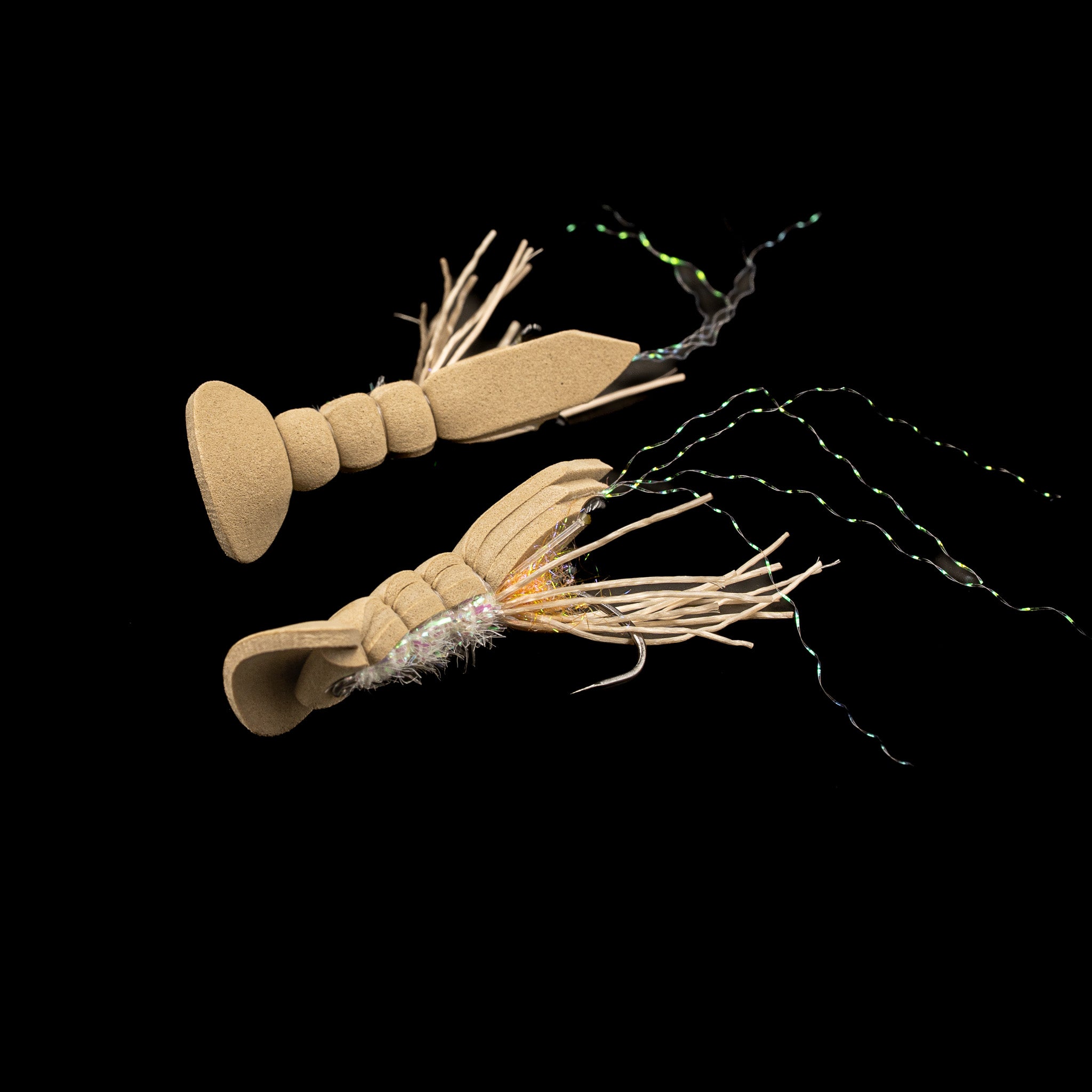
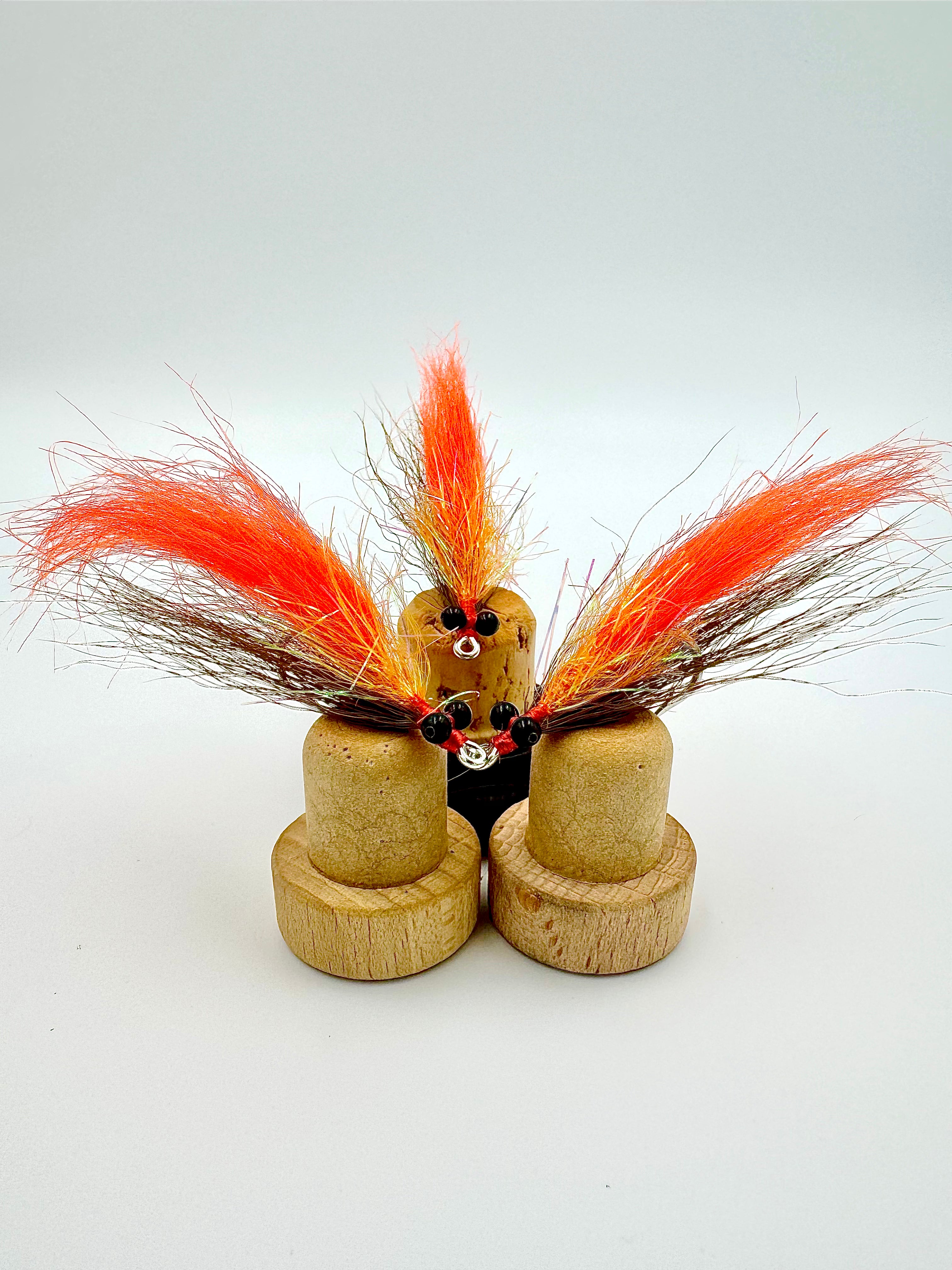
Weightless or bead-chain shrimp and baitfish. Land soft, let it fall, twitch it back. Battle Shrimp, Bunny Shrimp, and small baitfish profiles are the everyday flats flies. Size 2 to 4 covers most fish. If specks are cruising skinny water, they will eat almost any lifelike shrimp presented ahead of them.
Oyster reefs, channels, and moving water
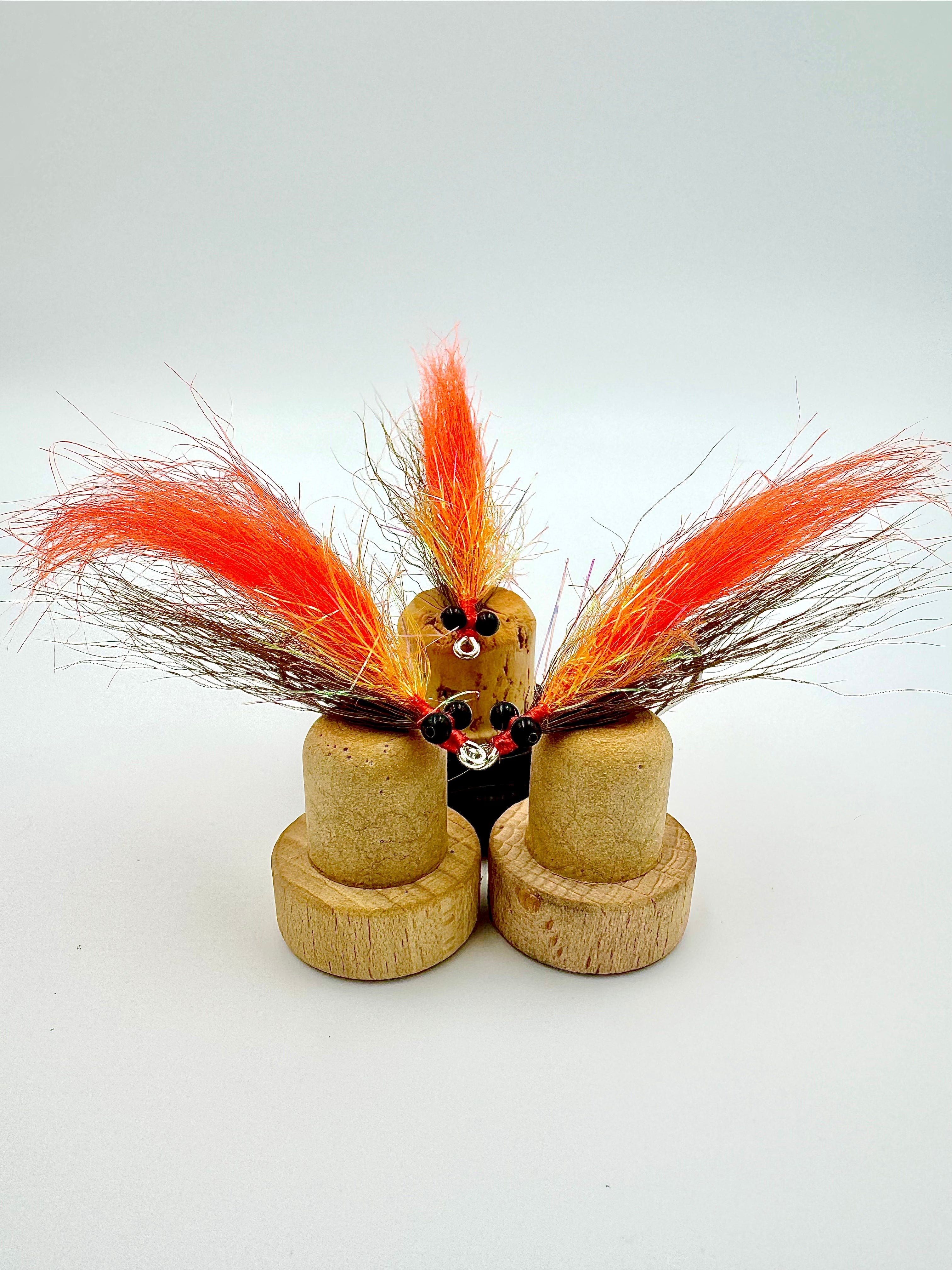
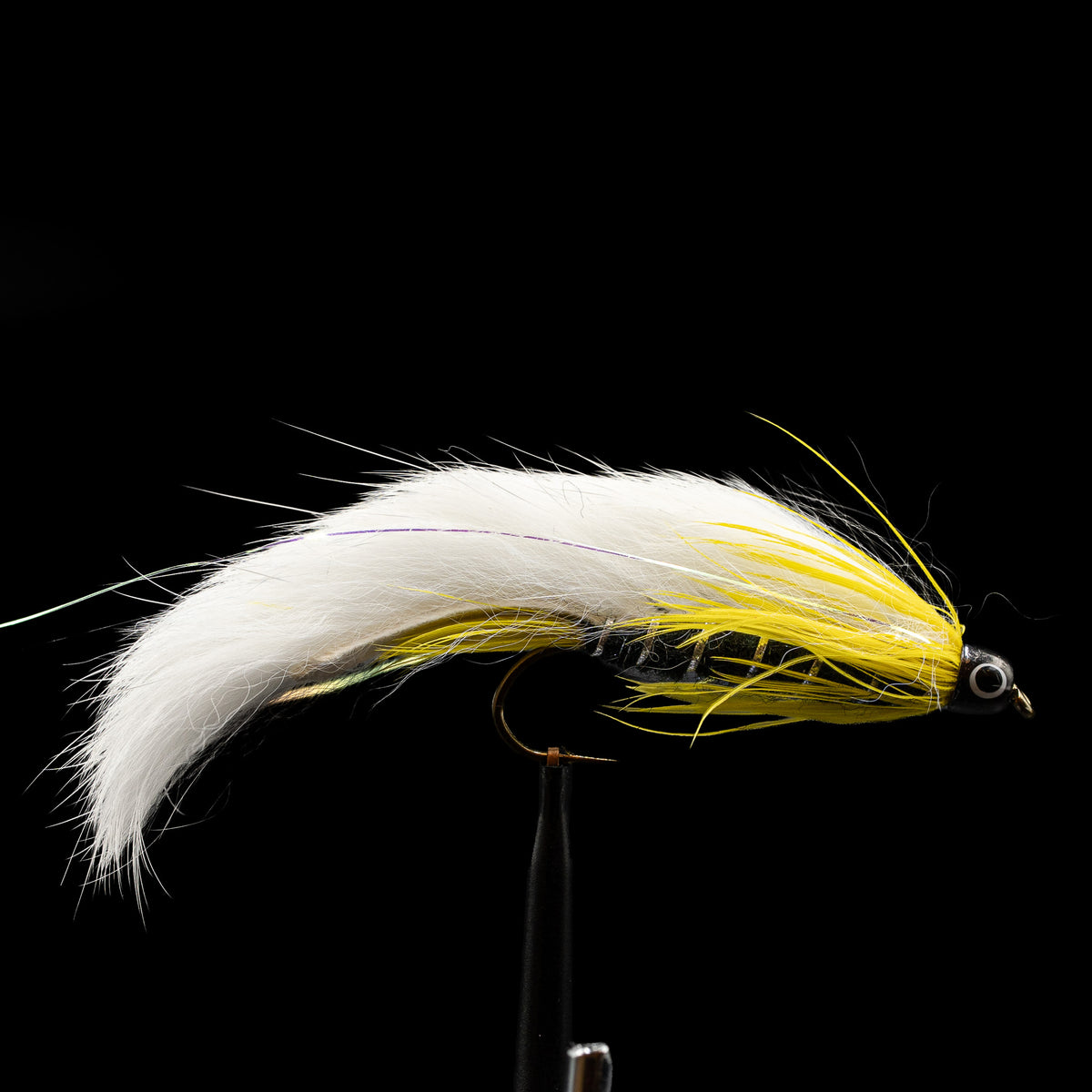
Upsize and add weight. Small dumbbell eyes on baitfish patterns get down to the strike zone in 2-4 feet with current. Bent Back patterns and clouser-style baitfish shine here — the hook rides up and stays off the shells. Fish it on a slow, steady strip with pauses on the swing.
Topwater — dawn, dusk, and calm summer mornings
Poppers and gurglers get slammed by big specks in warm months. Fish them with sharp pops separated by long pauses. Trout love to trail a popper and eat on the pause. Fish size 2 to 1/0 for the biggest gator trout.
Dirty water and low light
Larger profile, darker colors, more flash. Streamers with a strong silhouette outperform "matchy" flies when trout are hunting by feel. Rattles help.
Weight cheat sheet
Unweighted / bead-chain: grass flats, skinny water, sight-casting to cruisers.
Small (XS) dumbbell: 1-3 ft with light current, oyster edges.
Medium (S) dumbbell: deeper channels, moving water, wind.
Natural (tan, olive, white) covers clear water. Chartreuse and pink when the water goes green or off-color. Black or purple in low light. If specks refuse, try a different size or weight before you try a different color — trout are usually keying on profile and depth, not shade.
How our speckled trout flies are built
Every fly in this collection is tied on saltwater-grade hooks with materials chosen to survive multiple fish, oyster shells, and repeated casting. Most of these patterns were designed on Louisiana marsh water where specks and redfish share the same bays. The flies that make it into this collection are the ones we fish ourselves.
Building a speck box from scratch? Start with three shrimp patterns in two weights (bead-chain and small dumbbell), one baitfish profile like a Bent Back or Deceiver, one popper for topwater mornings, and one dark streamer for dirty water. Five patterns cover most of the year on the Gulf Coast.